By Dr. Izzeddin Hawamda
Dr. Izzeddin Hawamda is a Palestinian-Canadian educator, storyteller, and Founder of SADAA-Echoes Consulting. Born and raised in the West Bank, Palestine, he holds a PhD in Peace and Conflict Studies from the University of Manitoba. His work explores storytelling, dialogue, anti-racism, humanization, and community building. He served as the an Anti-Racist Education Professional Learning Initiative Coordinator in Winnipeg and teaches at the University of Winnipeg. Izzeddin is a recipient of the King Charles III Coronation Medal and creator of the Unbounded Stories series. Through his work, he creates spaces for healing, empathy, connection, and understanding.
What is your story?
@sadaa.echoes | Izzeddinhawamda.com

Dr Izzeddin Hawamda
In recent years, growing attention has been paid to social isolation, defined as limited contact with others, and loneliness, the absence of meaningful relationships, belonging, or understanding. Although the COVID-19 pandemic increased awareness of these issues, research shows that loneliness among youth had been rising steadily before 2020. Young people aged 15-24 have consistently reported the highest levels of loneliness, and by 2023 both the U.S. Surgeon General and the World Health Organization had identified loneliness as a major public health concern. Beyond its impacts on physical and mental health, social isolation can weaken social cohesion, increase vulnerability to misinformation and radicalization, and erode trust and empathy leading to increased conflict while simultaneously limiting social skills needed to sustain peace and resilience. Addressing loneliness is not only a matter of individual wellbeing but it is also integral to peacebuilding. Despite increased awareness, rates of isolation and loneliness remain high. While systemic solutions such as strengthening community infrastructure and supporting vulnerable groups are essential, individuals can also take meaningful action in their own lives. One strategy is to reflect on past traditions and the lessons of our ancestors that emphasize connection, belonging, and compassion.
When I learned about rising rates of social isolation and loneliness, I reflected on my own experience of arriving in Canada as a refugee when I was a teenager. The transition was deeply isolating, especially in a community where few people shared my language, culture, or faith. In those moments, I often returned to the concept of Juthoor/جذور, the Arabic word for "roots." Juthoor/جذور is a philosophy of storytelling that refers to the ‘threads of memory’ and which is grounded in connection, belonging, and humility. Like roots that sustain life beneath the surface, our stories carry inherited histories, relationships, and ties to the land that shape who we are. It invites us to listen with humility, honor lived experiences, and recognize the humanity within each person's journey. It reminds us that identity is layered, belonging is cultivated, and stories, like roots, stretch across generations and borders. By embracing fragmented memories, multiple identities, and stories that cross generations and borders, Juthoor/جذور resists division and singular narratives. In doing so, it offers a powerful peacebuilding practices: strengthening belonging, fostering empathy, and creating appreciation for diversity. Storytelling becomes an act of remembrance, resilience, resistance, and relationship-building, where every voice is valued and every story is rooted with a sense of home.
My grandmother used to say: The welcome we should say to people who come onto our land should become deeper and deeper every time we see them, encompassing both of our worlds making it one." The invitation should reflect my "Rohi," my soul, as it intertwines with the other person's soul like a wild thyme holding onto the mountain. My Teta would say, "When you welcome someone, your heart and soul must be in the same place, they must be entangled in everything – the air, the sun, the sage – so your guests feel that they too can become entangled within your soul.
When I was a boy, winter meant going to the fields with my family to gather لوف (Palestinian arum), a wild plant that grows in Palestine during the cold months. Its leaves resemble grape leaves, but they are larger, a deep and vibrant green almost defiant against the rain. Back home, my grandmother, wrapped in her embroidered thoab, its threads carrying stories older than time, would layer the leaves one upon another with quiet precision before stuffing them with rice and meat. The kitchen would fill with the scent of garlic and onions, the stove humming softly, rain tapping gently against the windows. But what I remember most was not only the taste. It was her presence. Her voice humming old songs. The way warmth itself felt intentional.
She used to say, “Never cook when you are angry.” Food carries what lives inside your heart. She believed that food was the greatest gift you could offer another human being. She called it nefas (نَفَس), the breath of the cook, the spirit placed into the meal. Nefas is what happens when you cook from the heart. When food becomes more than routine; it becomes care, dignity, even healing. Before we ever took a bite, we already felt full.
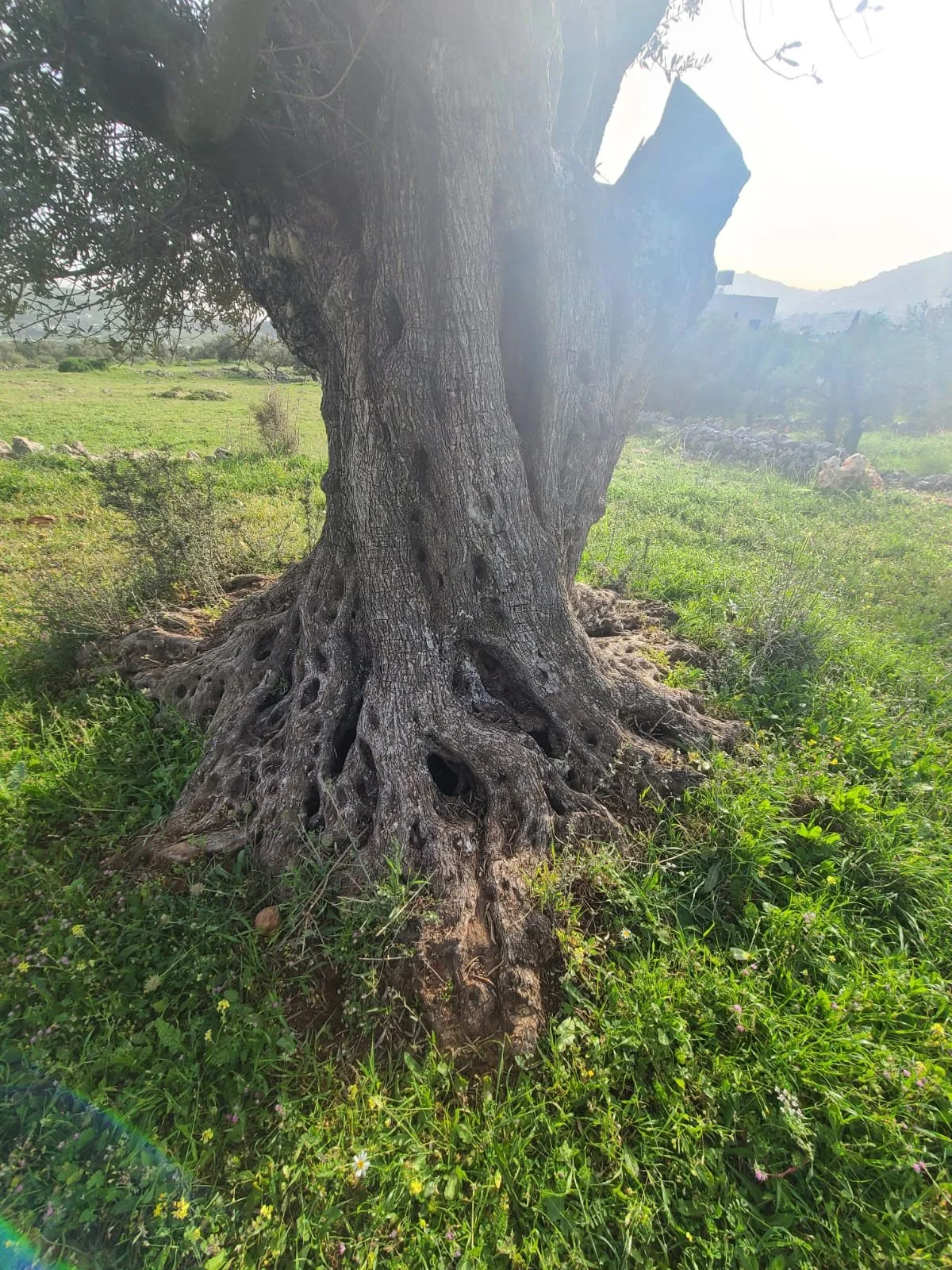
Here in Canada, I sometimes search for that feeling. And I remind myself, and others, that cooking with nefas is not about abundance. My family had very little. Yet the meals made with intention, patience, and love remain the best gifts of my life. For me, sharing food with people I meet and taking a few minutes or hours to invite them to share their stories fills my heart and soul. Making connections is never easy, but remembering the lessons of my ancestors reminds me that all people have stories that they have been carefully tended over years, but they have rarely been asked to share. Stories, food, time, and connection are gifts we all seek to give and receive. It is to this reminder from my ancestors, that I return when I begin to feel isolated, lonely, and out of balance.
Given the ways technology, social media, consumerism, and hyper-productivity shape modern life, there is a growing need to find balance. While these advances offer significant benefits and conveniences, they can also draw attention away from the basic human need to make meaningful connections. While it may be apparent that nefarious uses of modern technology can inflict harm, cause conflict, or destabilize peace, it is more often the banality of our everyday actions that are depleting our ability to engage in critical thinking or problem-solving, to interact respectfully when confronted by an inconvenience or difference of opinion, and to recognize the impact of our words or actions on others. Learning about traditional practices rooted in dialogue and connection, is not only a reminder of the shared human experience, but also the value of human diversity. The reality is that while we may not see it as clearly as our ancestors, the research is unmistakeably alerting us to the fact that connection with others remains integral to our survival.
References:
https://globalnews.ca/news/10095898/loneliness-global-public-health-concern-who/
https://cmha.ca/wp-content/uploads/2026/04/CMHA-MHW-2026-Factsheet-Fast-Facts-on-Loneliness.pdf
https://www150.statcan.gc.ca/n1/pub/11-627-m/11-627-m2021090-eng.pdf
https://www.cma.ca/healthcare-for-real/how-does-loneliness-fuel-misinformation
https://www.hhs.gov/sites/default/files/surgeon-general-social-connection-advisory.pdf