What Working In Small Arms Control Has Taught Me About Peace
By Paul Akwasi Baami
Paul Akwasi Baami is Senior Programme Officer and Head of the Western Regional Office at the National Commission on Small Arms and Light Weapons in Ghana. His work brings together security institutions, traditional authorities, civil society, and local communities to prevent armed violence and build sustainable peace. He co-authored the paper "Beyond the Illegalities: The Silenced Roles of Border Residents in Enhancing Border Security in Ghana." Paul champions a people-centred approach to security, one that treats communities as partners in peacebuilding rather than subjects of intervention. He can be reached at paul.baami@smallarmscommission.gov.gh.
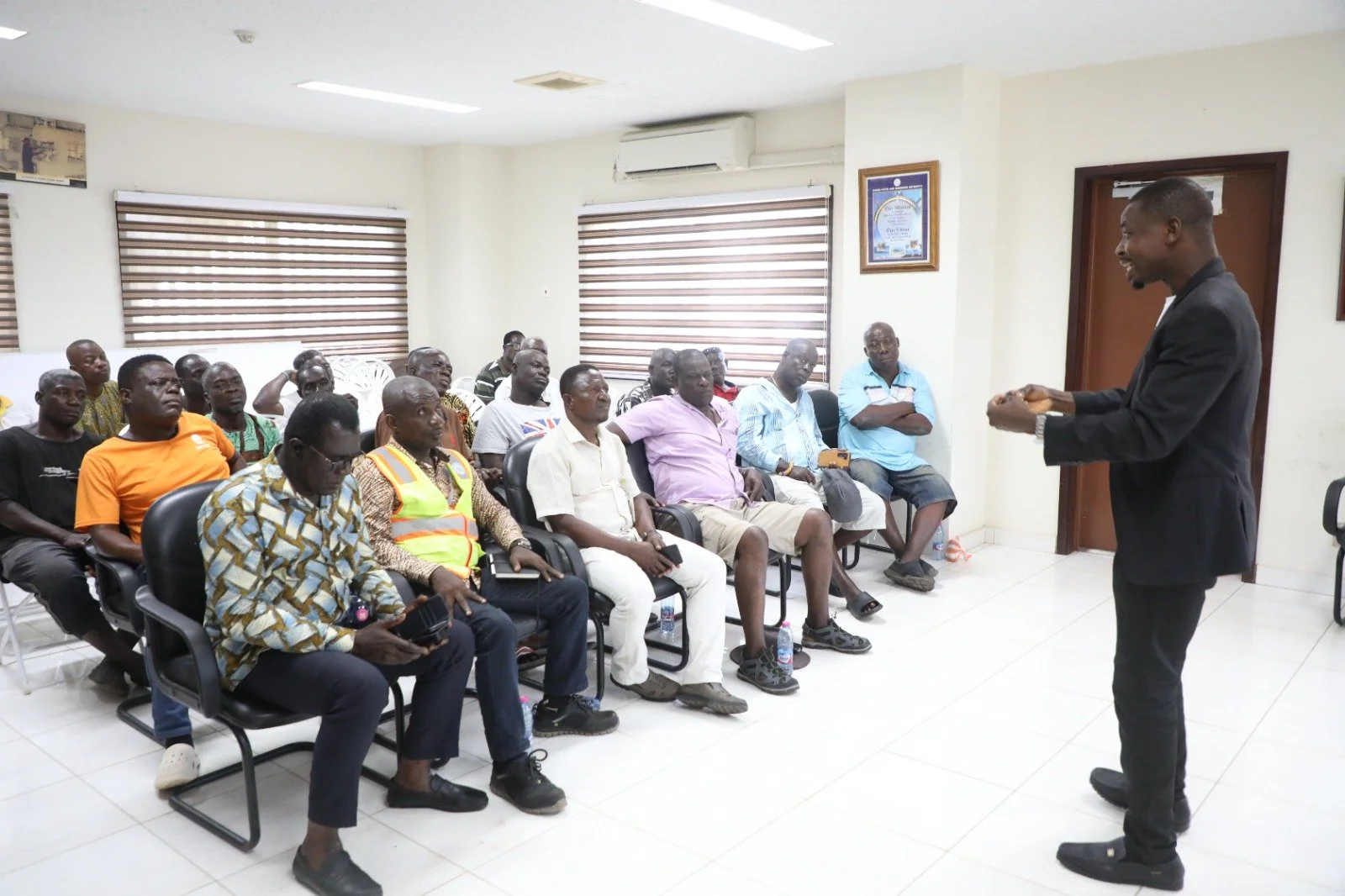
I walked into the meeting expecting to discuss illicit firearms. Instead, I spent most of the time listening to community leaders explain why unemployment, exclusion from decision-making, and neglected development needs made them feel insecure. That conversation reminded me that the greatest threats to peace are often not weapons themselves, but the conditions that make violence seem like an option.
For many people, "small arms control" evokes images of guns, crime, and law enforcement, a profession focused on confiscating illicit weapons and responding to violence after it happens. That is part of the work, but it tells only half the story.
Earlier this year (2026), while engaging Assembly Members of the Sekondi-Takoradi Metropolitan Assembly on the dangers of illicit small arms proliferation, I realized my role extended far beyond explaining firearms legislation. The discussion evolved into one about trust, community ownership, and the responsibility of local leaders to prevent violence before it occurs. No one asked first about firearms. Instead, participants spoke about opportunities for young people, confidence in local leadership, and whether communities felt heard by those responsible for their security. That experience reinforced a lesson I have encountered repeatedly: effective arms control is ultimately about empowering people to become leaders for peace, and sustainable peace begins with listening before prescribing solutions.
Working in several regions of Ghana as both a public servant and community development expert has let me engage security institutions, policymakers, and civil society organizations, each offering a different view of what security means. Over time, I have come to understand that firearms are rarely the root cause of violence. More often, they are the tools through which deeper problems, poverty, injustice, exclusion, unresolved disputes, and eroding trust between citizens and institutions, are expressed.
This realization changed how I lead. I now focus on solving problems with communities rather than for them. Confiscating an illicit firearm may prevent an immediate tragedy, but it does not prevent the next conflict. Lasting peace requires harder questions: Why did someone feel the need to acquire that firearm? What conditions allowed violence to become acceptable? These are not questions security experts and conflict analysts can answer alone.
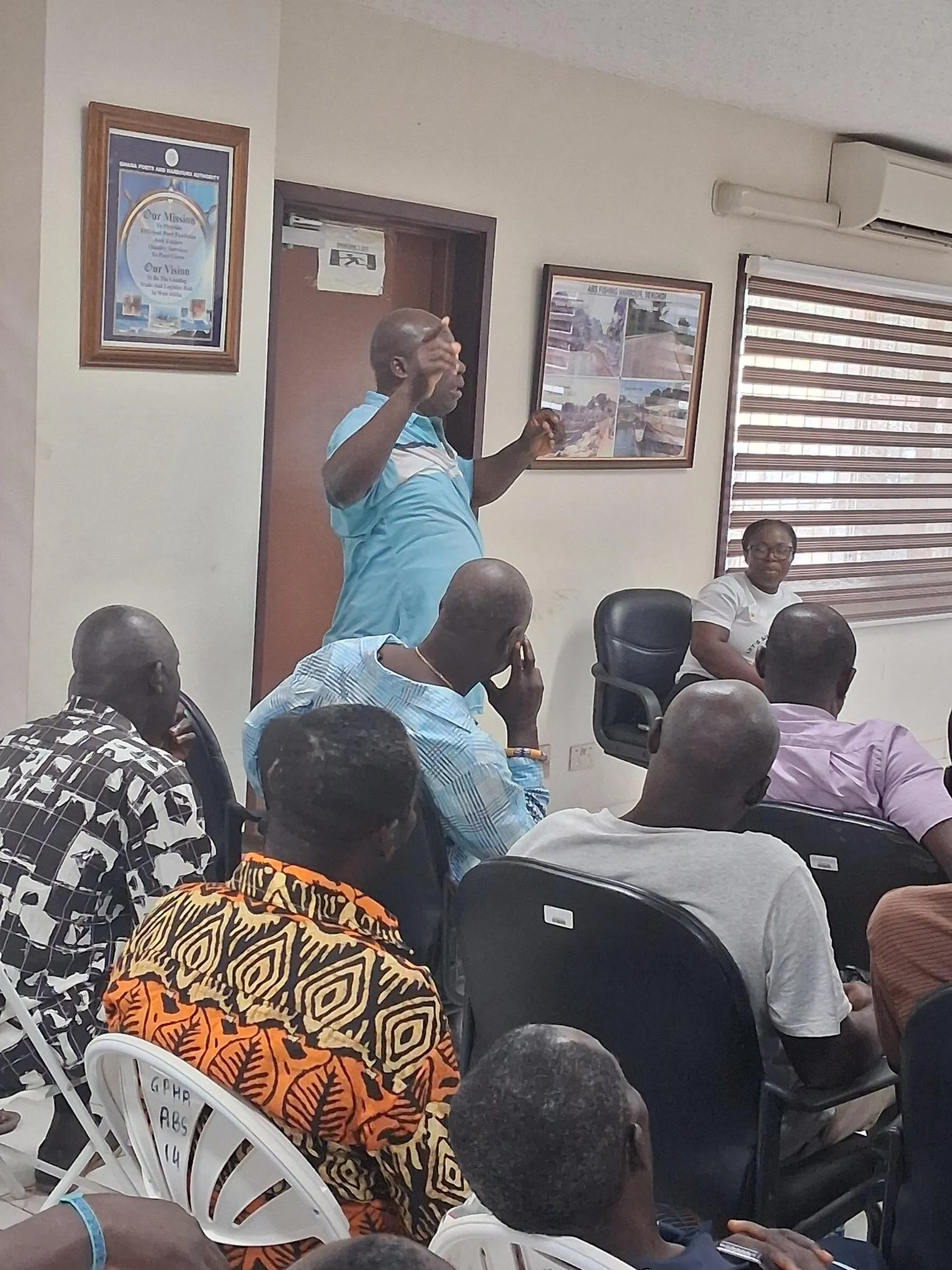
One lesson that has stayed with me is the importance of listening. During a recent engagement with managers of the Albert Bosomtwi-Sam Fishing Harbour in Sekondi, our conversations began around maritime security but quickly shifted toward coastal livelihoods, youth unemployment, and community safety. Rather than leading with a message about illicit firearms, my team and I first listened to how local stakeholders understood insecurity in their own context. To them, insecurity is rooted in youth unemployment, inadequate access to basic services, and exclusion from decisions that affect their communities. Those perspectives shaped plans to engage fisherfolk, canoe owners, and community leaders as partners in violence prevention, and laid the foundation for sustained collaboration between the Small Arms Commission and maritime stakeholders. By allowing communities to define their own security priorities, our engagement shifted from delivering a message to building a partnership, from awareness-raising into shared ownership of violence prevention.
My work has also reinforced the inseparable link between security and human rights. Security that comes at the expense of dignity is unlikely to endure. Through stakeholder engagements, supporting inclusive workplaces for young women, I have seen that preventing violence requires addressing discrimination and unequal access to opportunity. Whether confronting gender-based violence or armed violence, sustainable peace depends on protecting human dignity and ensuring everyone can participate safely in society.
Leadership, I have learned, is less about directing people and more about creating spaces where different voices can shape solutions. Whether engaging traditional authorities, students, security agencies, or local government officials, the most durable outcomes emerge through collaboration rather than authority. Peace leaders do not simply respond to crises; they cultivate relationships that reduce the likelihood of violence long before security interventions become necessary. The most productive discussions I have witnessed happen when security agencies, traditional leaders, civil society, and community members sit around the same table, each contributing perspectives that others might overlook.
These community experiences have shaped how I engage in international policy discussions as well. Practitioners from different regions have reinforced for me that although contexts differ, communities everywhere face similar challenges of mistrust, exclusion, and insecurity. Whether addressing illicit firearms in West Africa, strengthening border security, or promoting youth participation in peacebuilding, the most successful initiatives place people, not firearms, at the centre of security solutions.
The strongest defence against violence is not the absence of guns. It is the presence of trust. Peace is not merely the silence of gunfire; it is the presence of justice, opportunity, dignity, and hope. It is built when governments, communities, civil society, and individuals recognize that security is a shared responsibility. Every weapon kept out of the wrong hands creates space for dialogue. Every partnership built between communities and institutions strengthens resilience. Every life protected is a reminder that peace is possible.
As governments and development partners continue investing in security, we should remember that the most effective interventions are those that strengthen trust, expand opportunities, and empower communities to become active partners in preventing violence. Peace cannot be delivered to communities; it must be built with them.
Looking back, I no longer see my work primarily as preventing the spread of illicit weapons. I see it as helping communities strengthen the trust that makes violence less likely in the first place. Every dialogue facilitated, every partnership formed, and every young person inspired to choose cooperation over confrontation reinforces my belief that peace leadership begins long before conflict emerges. It begins with listening, inclusion, courage, and a willingness to work across institutional and community boundaries. Those choices belong to all of us.